Building PupSmart: shipping my own Android app from idea to Google Play
PupSmart is an Android app for tracking a dog's routines, with AI-assisted features, published on Google Play. Building a product end to end myself is how I learned where these projects go wrong.
Most of my work happens on other people’s websites. PupSmart is different: it is my own product, an Android app I built and published on Google Play. I also build Python automation tools for my own work. Doing the whole process myself, from idea to store listing, is how I know where projects like these go wrong.
What PupSmart does
PupSmart is an all-in-one tracker for dog owners. You can log potty breaks, meals, sleep, grooming and training sessions in a few taps, set daily reminders, see the history in charts and export the logs as a CSV file to share with your vet.
On top of the tracking, the app has AI-assisted features: a health scanner that analyses a photo, a potty predictor that uses the owner’s own logs to estimate when the dog needs to go out, a scanner that checks whether a food or plant is safe or toxic, a virtual assistant that answers questions based on the last week of logs, and training suggestions based on what the dog has already learned.
Why build my own product
When you work on client projects, you usually see one part of the process. Someone else had the idea, someone else will handle the launch. Building your own product removes that safety net. Every decision is yours, and so is every mistake.
That is useful for a marketer who also writes code. It forces you to think about the whole journey: what problem you are solving, who searches for it, what they see before they install, and whether the product keeps its promise afterwards.
What shipping end to end taught me
Scope decides everything
The hardest part of any product is deciding what not to build. A focused first version that works beats a long feature list that does not. Websites are the same: a clear site with five strong pages does more than a sprawling one with fifty weak ones.
The listing is part of the product
A store listing is a small search engine result. The title, short description, screenshots and first lines of the description decide whether anyone installs. Writing it is very close to on-page SEO: say clearly what it is, for whom, and why it is worth trying, in the words people search with.
A good listing also sets the right expectations. It tells people what is free and what is part of Premium, and what the app does with their data. Being clear up front leads to fewer disappointed users later, and the same is true for a service page on a website.
Data and privacy are not an afterthought
Publishing on Google Play means filling in data safety information and thinking carefully about what the app collects and why. Websites face the same questions with forms, analytics and cookies, and it is better to answer them at the start than to patch them in later.
Launching is the start, not the end
An update, a bug report or a change in the platform’s rules can all arrive after launch. Planning for maintenance from day one is what keeps a product, or a website, working a year later.
Designing for a busy user
A dog owner logging a potty break is usually holding a lead, a bag or a puppy. That is why logging in PupSmart is built to take seconds, with the most common actions a tap away. Websites have the same kind of visitor more often than we admit: someone on a phone, between two other things, who wants one answer or one button. Designing for that person first makes a site better for everyone else too.
AI features need a clear role
The AI features in PupSmart are there to help an owner notice patterns and ask better questions, and the app makes it easy to export the logs as a CSV file for a real vet. Being clear about what a feature is for, and what it is not for, is part of building trust. I apply the same rule to AI search work for clients: explain what the work can do, and never promise what it cannot.
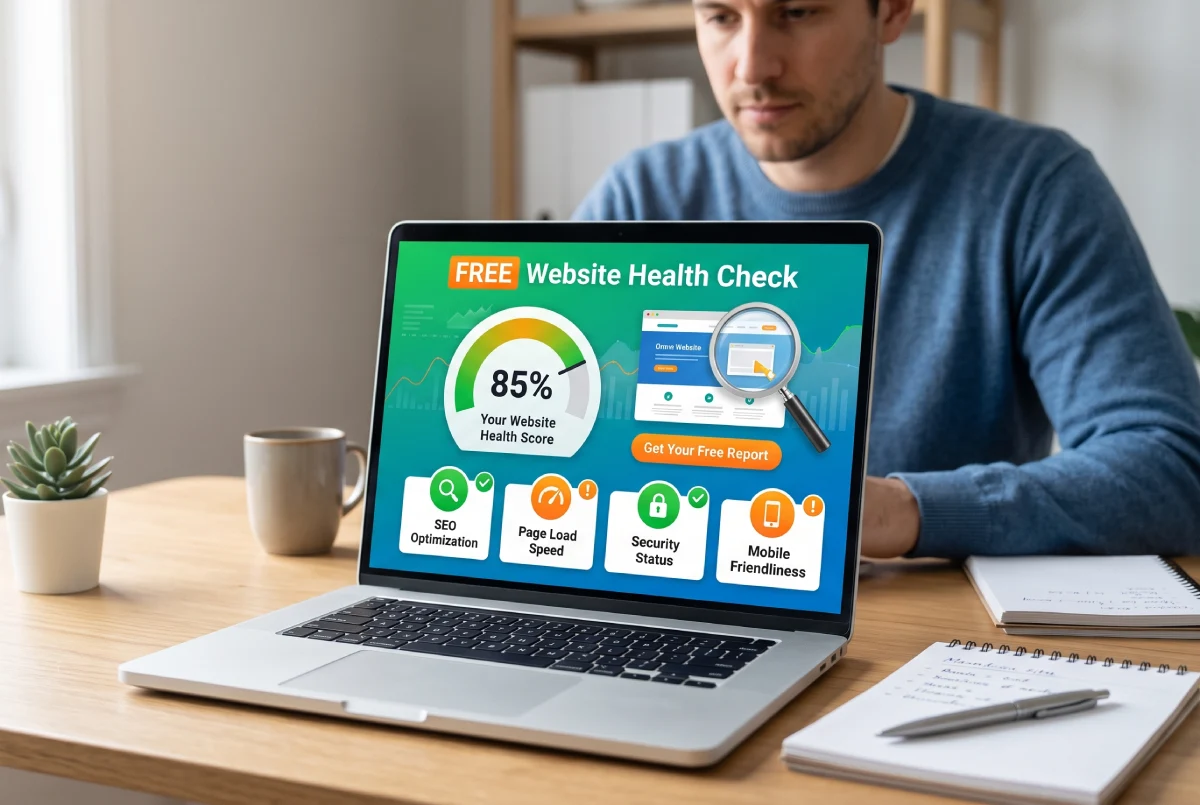
Illustration: a free site check looks at a website the way I look at my own product.
Why this matters for your website
I sell SEO, AI search visibility and WordPress work, and I can debug what I sell because I have built things end to end. When I look at a website in a free site check, I look at it the way I looked at my own product: what is it for, who is it for, can they find it, and does it keep its promise once they arrive.
If you are a business in Antwerp or elsewhere in Belgium and your website feels like it was built in pieces, that end-to-end view is what I bring. Send me your URL and I will tell you what I see.
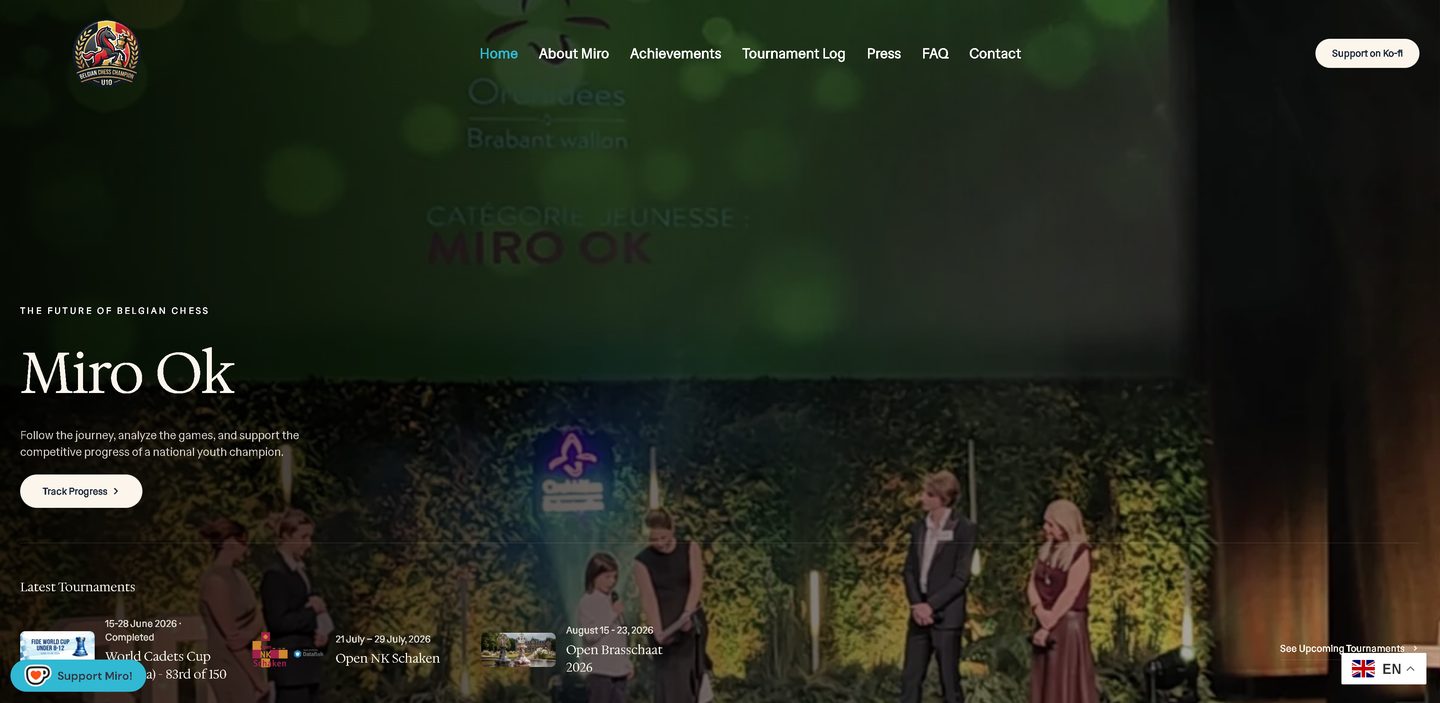
How I built mirook.com for a Belgian youth chess champion and made it readable for Google and AI assistants: structured data, knowledge-graph markup, an llms.txt file and repeated SEO and GEO audits.
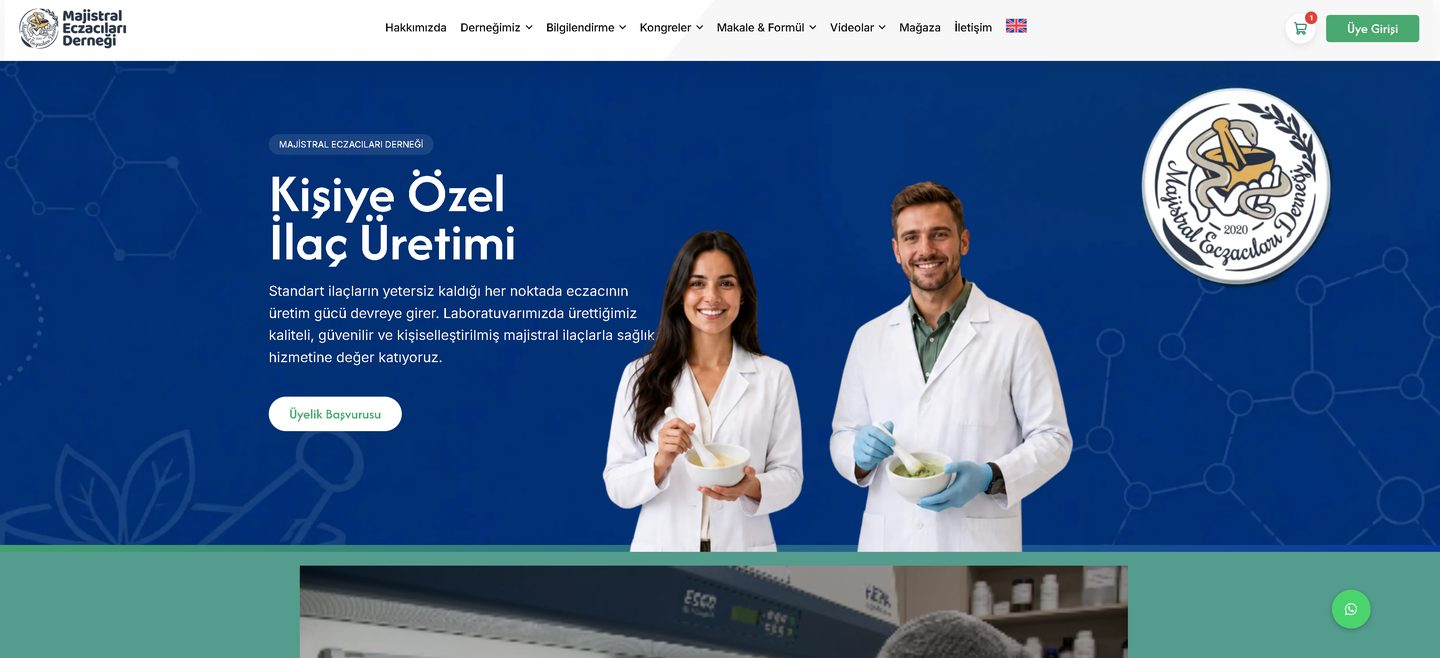
Team work at Episto: entering and formatting 600 member profile pages in WordPress and Elementor so a pharmacists' association has one consistent platform, plus the lessons for any directory-style website.