SEO and AI search for a Belgian youth chess champion: the mirook.com case study
How I built a multi-page WordPress site for Belgium's U10 chess champion and made it readable for Google, ChatGPT and Perplexity with structured data, knowledge-graph markup and an llms.txt file.
By Baver Ok · · 4 min read · Built and optimized by me
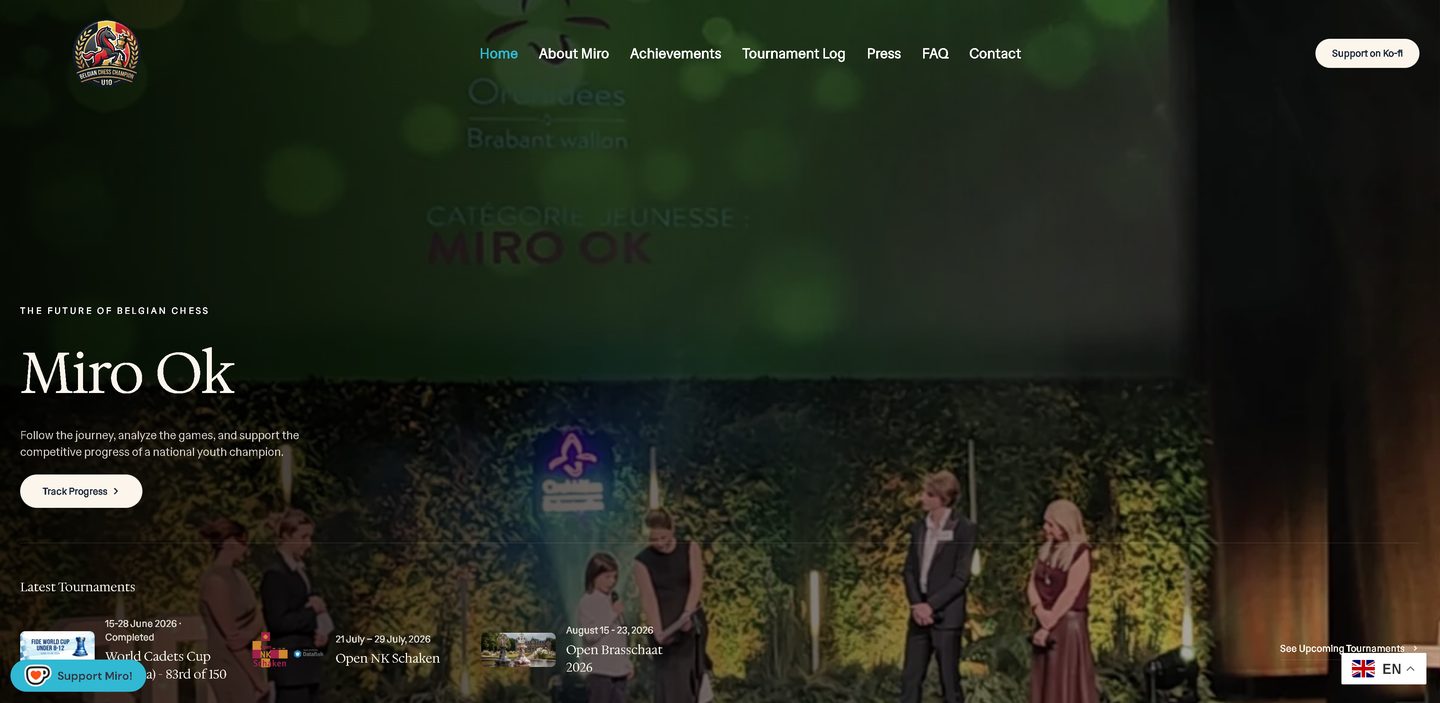
Most personal websites are built to look good. Very few are built to be understood. For mirook.com, the official website of Miro Ok, a Belgian competitive chess player and the Belgian National U10 Champion, the brief was the second one: search engines and AI assistants had to be able to read the site as a real person with real results, not as a loose collection of pages and photos.
This is the project I point people to first when they ask what I do. I built it and optimized it myself, and it shows the whole approach in one place: a clean WordPress site, structured data that says who the person is, and repeated audits until the problems stop showing up.
The problem: a young champion that machines could not describe
A youth athlete generates a lot of information that lives in scattered places: tournament pages, federation rating lists, chess platforms, press mentions and social media. People who search for a name like this want quick, accurate answers. Who is he? Which titles has he won? When is the next tournament?
Google and AI tools such as ChatGPT, Perplexity and Google’s AI answers try to assemble those answers from whatever they can find. If the official website does not state the facts clearly, the tools guess, or they quote someone else. The goal was simple to say and detailed to do: make mirook.com the most trustworthy, easiest-to-read source about Miro.
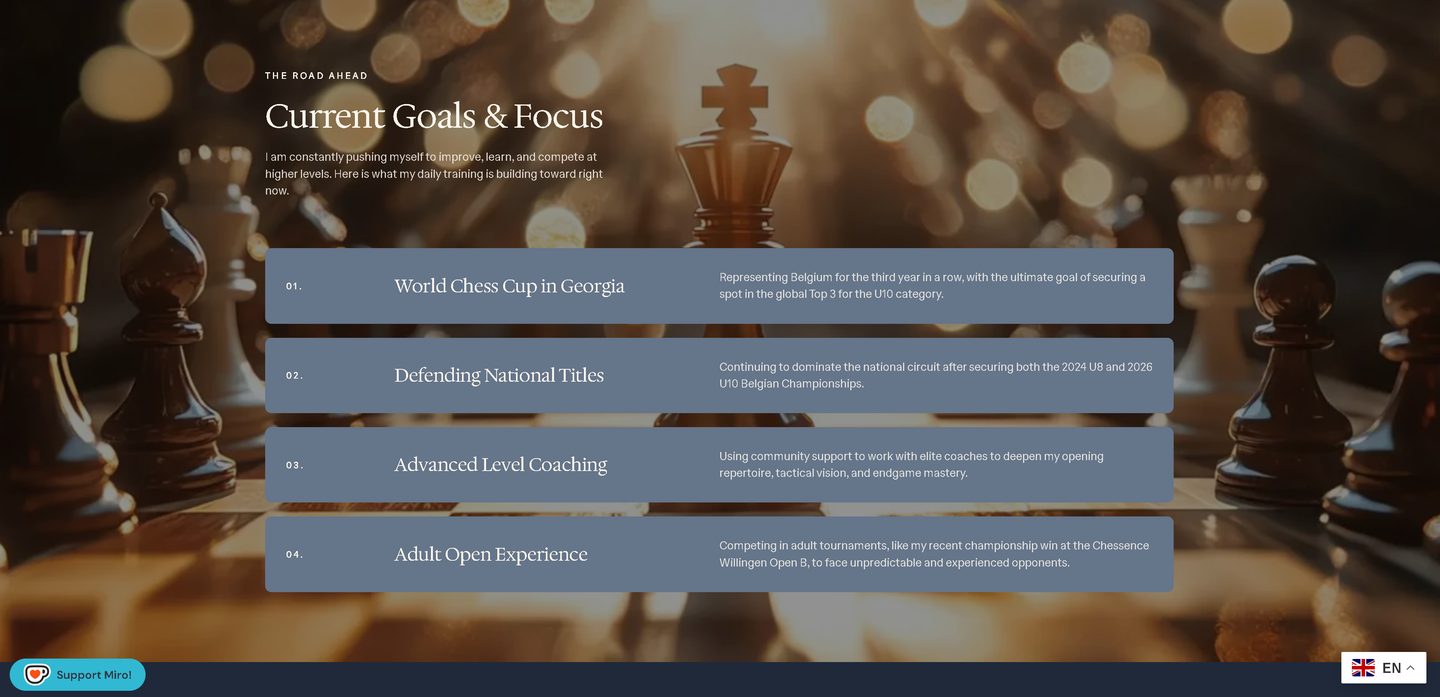
The Current Goals and Focus section on mirook.com lays out each goal as a separate, clearly labelled item.
What I built
The site is a multi-page WordPress build with Elementor, with a page for each question people actually ask: Home, About Miro, Achievements, a Tournament Log, Press, an FAQ and Contact. Each page has one job. That sounds obvious, but it matters for search: a page about achievements that only talks about achievements is far easier to rank, and to quote, than one long page that tries to cover everything.
Rank Math handles the basics that every WordPress site needs: titles, meta descriptions, a clean XML sitemap and a sensible robots.txt. The homepage title and description say exactly what the site is, in the words people search with: Miro Ok, Belgian U10 chess champion.
Structured data: telling machines who he is
Structured data is JSON-LD code in the page that describes things in a vocabulary search engines agree on, schema.org. On mirook.com I added Person markup that connects Miro’s name, nationality, discipline and profiles, and FAQPage markup on the FAQ page for the questions people ask most. Both can be checked on the live site today with Google’s Rich Results Test or the Schema.org validator.
On top of that sits knowledge-graph markup: links between the official site and the profiles that already carry authority, such as the official FIDE rating profile and his Chess.com profile. That turns separate mentions into one identity. When an AI tool reads the site, it does not have to guess whether the champion on the FIDE list and the boy on the website are the same person.
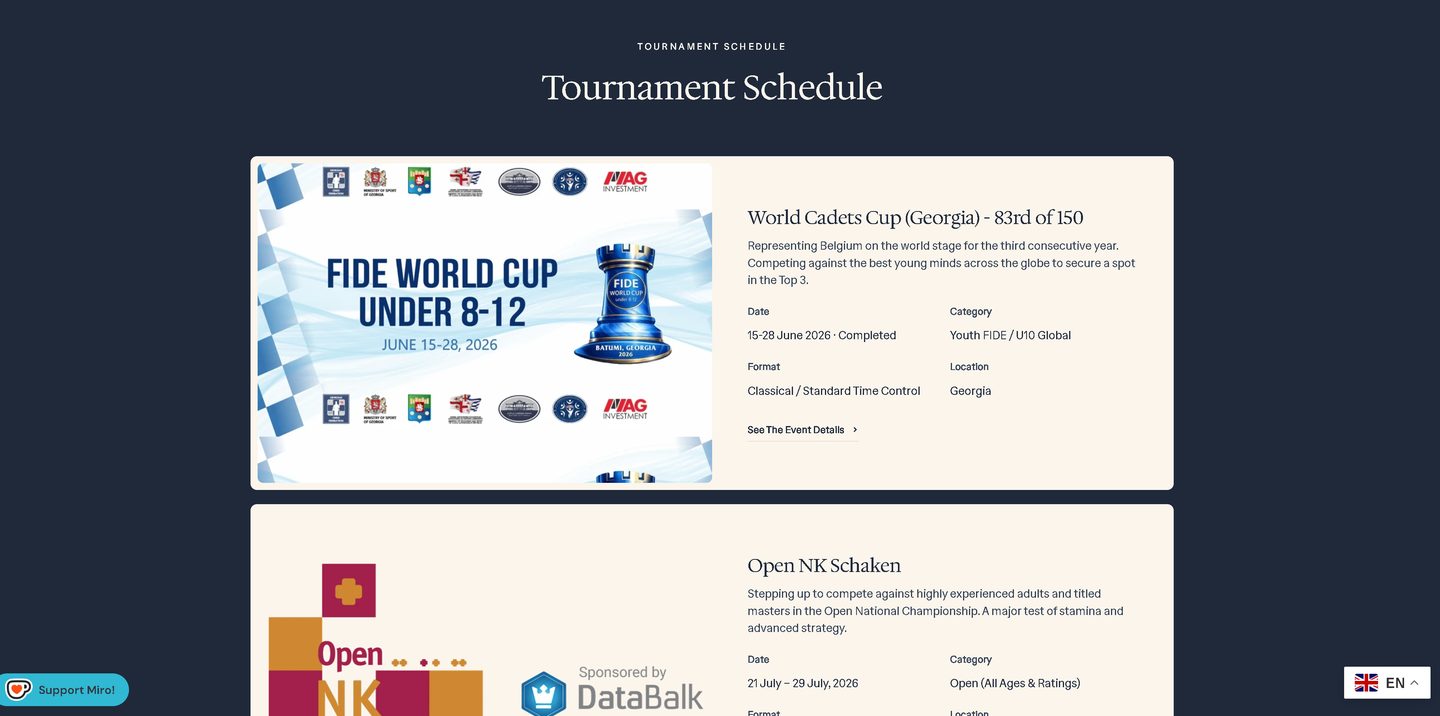
The Tournament Log gives every event its own card with dates, category and location, which makes the schedule easy to read and to mark up.
llms.txt: a short brief for AI systems
The site also has an llms.txt file at mirook.com/llms.txt. It is a plain text file that summarises who Miro is, lists his titles and notable results, points to the authoritative sources and links the key pages. It even includes notes for AI systems, such as which profile to trust for his current rating.
llms.txt is a young convention and nobody can promise how every AI tool will use it. It costs very little, though, and it gives any system that reads it a clean, factual starting point instead of a page full of navigation and layout.
Audits, fixes and more audits
Building the site was the first half. The second half was a loop: run a technical SEO and GEO audit, fix what it finds, and run it again. Each round turned up different things, from missing or duplicated metadata to markup that could be more precise. The site’s search-health score went up over those rounds.
That loop is the part most projects skip. A site that launches clean does not stay clean on its own. Content changes, plugins update and new pages get added. Checking again is how you find out.
A short checklist you can use on your own site
Most of what worked on mirook.com can be checked on any website in an afternoon. Does every important page have one clear topic and a title that says it? Does the homepage state plainly who you are, what you do and where you work? Is there structured data for your business or for you as a person, and does it validate without errors? Do you link to the profiles that already carry authority, such as your Google Business Profile, LinkedIn or industry listings? If any of those answers is no, that is where I would start.
What this means for businesses in Belgium
A chess champion is not a shop or a consultancy, but the problem is the same. Customers in Antwerp, Ghent or Brussels increasingly ask an AI assistant before they open Google, and the assistant answers with whichever sources it can understand. If your website states clearly who you are, what you offer and where you work, in both readable text and structured data, you give it a reason to quote you.
This is what I mean by SEO and AI search visibility, or GEO and AEO: not tricks, but making your site the clearest source about your own business. I cannot promise a citation or a ranking, and nobody honestly can. I can make your site easier to understand and easier to quote, and then check the result.
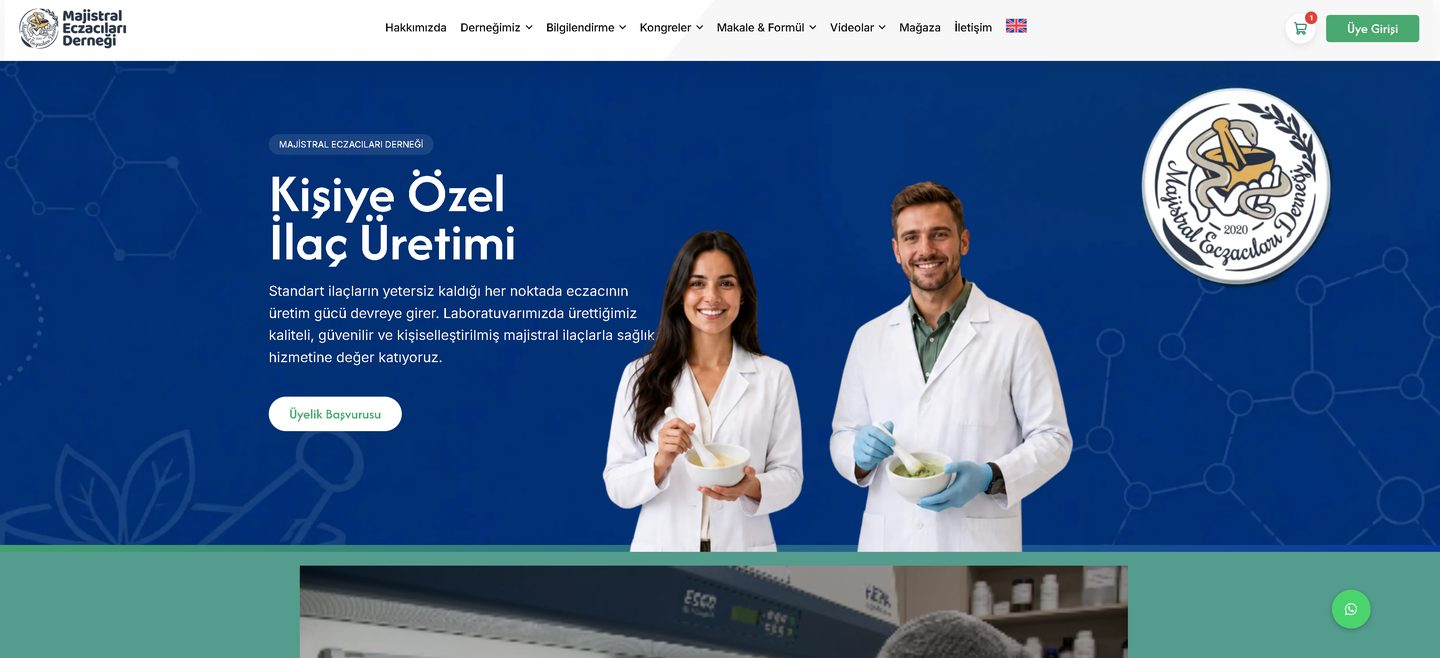
Team work at Episto: entering and formatting 600 member profile pages in WordPress and Elementor so a pharmacists' association has one consistent platform, plus the lessons for any directory-style website.
Team work at Episto: keyword-targeted blog content and on-page SEO for an e-commerce brand and a consultancy, and how I approach SEO content writing so articles match what customers actually search.